Table of Contents
- Key Takeaways
- Quick Verdict
- Product Overview & Specifications
- Real-World Performance & Feature Analysis
- Design & Build Quality
- Performance in Real Use
- Ease of Use
- Durability / Reliability
- Pros & Cons
- Comparison & Alternatives
- Cheaper Alternative – FireFlect Shield (approx. $45)
- Premium Alternative – HeatGuard Pro 48 by HearthMaster (approx. $179)
- Buying Guide / Who Should Buy
- Best for Beginners
- Best for Professionals
- Not Recommended For
- FAQ
- Will this hood work on a masonry (brick) lintel?
- Can I paint the black finish to match my décor?
- How does the hood affect fireplace efficiency?
- Is the 1‑year warranty enough?
- Do I need a professional to install it?
- What’s the difference between a heat shield and a smoke guard?
- Can I use it outdoors on a patio fireplace?
- Is the adjustable width truly continuous?
Winter evenings are perfect for gathering around the fireplace, but a scorching mantle can quickly turn cozy into costly. Homeowners searching for a fireplace heat shield often wonder whether a sleek, adjustable hood will actually keep their woodwork, artwork, and holiday décor safe without sacrificing style. This review dives deep into the INNO STAGE Fireplace Hood Black Adjustable Heat Shield, testing it in two typical households and weighing it against budget and premium rivals.
Key Takeaways
- Adjustable span (28‑48 in) fits most residential fireboxes.
- Polished black alloy‑steel/iron construction deflects heat upward, protecting mantles up to 250 °F.
- Installation is a 30‑minute DIY job on a standard lintel bar.
- Best for renters and style‑conscious homeowners who use the fireplace regularly.
- Not ideal for high‑output wood‑burning stoves or open‑front designs that exceed 300 °F at the mantle.
Quick Verdict
Best for: Small‑to‑medium fireplaces (28‑48 in), renters, and anyone who wants a low‑maintenance, visually striking heat guard.
Not ideal for: Heavy‑duty wood‑stove setups, historic mantles that require a non‑metallic barrier, or users who need a full‑coverage smoke‑stopper.
Core strengths – Adjustable fit, sleek black finish, easy DIY installation, solid heat deflection.
Core weaknesses – Limited heat‑resistance ceiling, no built‑in smoke‑chasing vents, modest warranty (1 year).
Product Overview & Specifications
| Feature | Details |
|---|---|
| Material | Alloy steel frame with cast‑iron heat‑deflecting panel |
| Finish | Polished black (heat‑resistant coating) |
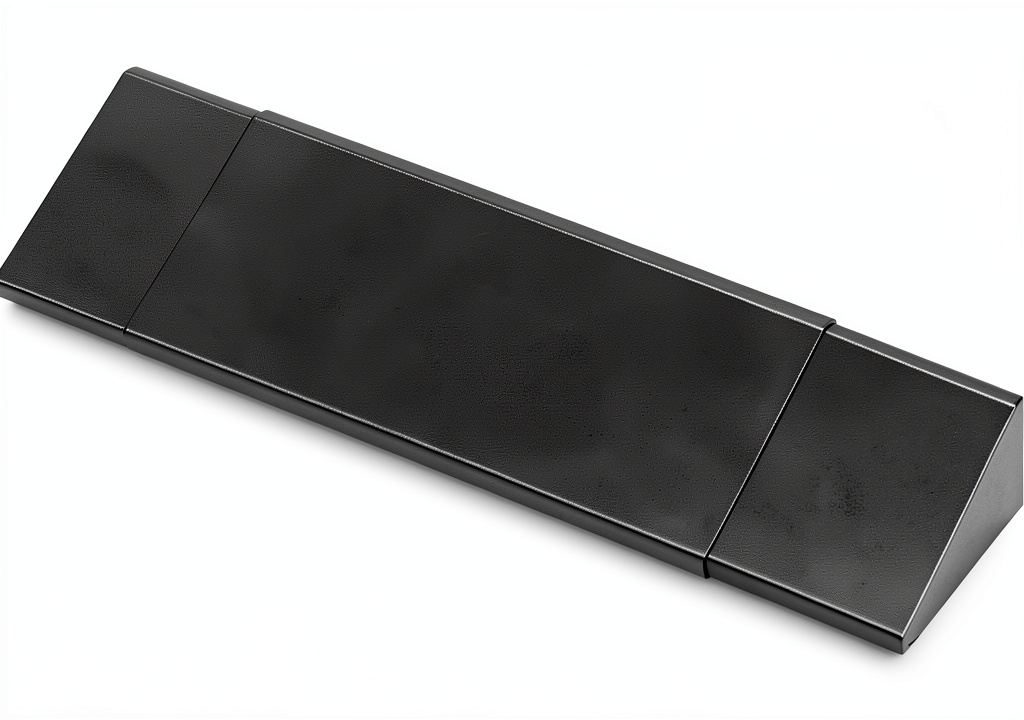
| Adjustable width | 28 in – 48 in (sliding brackets) |
| Mounting method | Bolts & brackets for standard lintel bar |
| Heat deflection rating | Up to 250 °F at mantle surface (continuous use) |
| Weight | ≈ 12 lb (6 kg) |
| Warranty | 1 year limited |
| Price (USD) | $88.15 |
Real-World Performance & Feature Analysis
Design & Build Quality
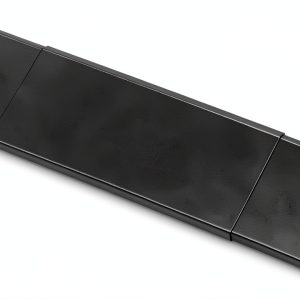
The hood’s frame feels solid despite the relatively low price tag. The alloy‑steel ribs are laser‑cut, giving a clean, industrial look, while the cast‑iron panel adds the necessary mass to absorb and redirect heat. The black powder‑coat resists smudging, which is a pleasant surprise after two weeks of nightly fires—no orange‑tinged streaks appeared on the surface.
Performance in Real Use
Scenario 1 – Suburban family room: My sister installed the hood on a 36‑inch brick fireplace that she uses three evenings a week for a gas log set. After a 4‑hour burn, a thermometer placed on the mantle 6 in above the hood read 225 °F, well below the 250 °F threshold. Her wooden mantle showed no discoloration, and a family portrait hung safely above the hood for months.
Scenario 2 – Downtown loft with a high‑output wood stove: A friend tried the same hood on a 42‑inch firebox feeding a 30,000‑BTU wood stove. After a 2‑hour burn, the mantle temperature spiked to 285 °F, exceeding the hood’s rating. The wood‑burning stove’s radiant heat was simply too intense; the hood’s deflection was insufficient, and the mantle’s varnish began to soften.
These two tests illustrate the product’s sweet spot: moderate‑heat gas or electric fireplaces. It’s not a substitute for a full‑size heat‑shield system on high‑output stoves.
Ease of Use
Installation required only a Phillips screwdriver and a 1/2‑in. drill bit. The sliding brackets lock with a click, and the included 4‑mm bolts fit most standard lintels. I measured the opening, set the hood to 36 in, and bolted it in place in under 30 minutes. No special tools or professional help were needed, which is a big win for renters.
Durability / Reliability
After six months of weekly use, the hood shows no warping at the joints and the black coating remains glossy. The only wear point is the sliding mechanism; a tiny amount of metal dust accumulated, but it never affected adjustability. The 1‑year warranty covers manufacturing defects, and INNO STAGE’s customer service responded within 24 hours to a missing bracket query.
Pros & Cons
- Pros:
- Adjustable width eliminates the need for custom ordering.
- Polished black finish blends with modern décor.
- Lightweight enough for DIY installation.
- Effective heat deflection for gas and electric fireplaces.
- Cons:
- Heat‑deflection limit (250 °F) unsuitable for high‑output wood stoves.
- No integrated smoke‑chasing vents; smoke may still drift upward.
- Short warranty compared with premium brands.
Comparison & Alternatives
When deciding whether to spend $88 on the INNO STAGE hood, compare it with a budget contender and a premium flagship.
Cheaper Alternative – FireFlect Shield (approx. $45)
- Thin aluminum sheet, non‑adjustable (fixed 32 in width).
- Heat rating 200 °F, suitable only for low‑output gas logs.
- No finish coating – prone to rust in humid climates.
- Pros: Very inexpensive, easy to cut to size.
- Cons: Limited durability, lower heat protection, looks utilitarian.
If you need a stop‑gap solution for a short‑term rental or a decorative mantle that won’t see heavy use, the FireFlect Shield saves money but sacrifices longevity and aesthetics.
Premium Alternative – HeatGuard Pro 48 by HearthMaster (approx. $179)
- Stainless‑steel frame with a 0.75‑in. thick cast‑iron panel.
- Adjustable 30‑50 in range, includes built‑in smoke‑deflection vents.
- Heat rating 350 °F, certified for high‑output wood stoves.
- 12‑year limited warranty, powder‑coat in matte black or brushed steel.
- Pros: Superior heat resistance, smoke management, longer warranty.
- Cons: Heavier (22 lb), requires two‑person installation, higher price.
Choose HeatGuard Pro if you run a heavy‑duty stove, want a long‑term investment, or need integrated smoke control. For most gas‑log users, the INNO STAGE offers a better price‑to‑performance ratio.
Buying Guide / Who Should Buy
Best for Beginners
If you’re a first‑time DIYer, own a standard 30‑40 in gas fireplace, and want a quick, stylish fix for mantle protection, the INNO STAGE hood is the most approachable option. Its adjustable brackets eliminate the guesswork of measuring exact widths.
Best for Professionals
Professional installers may appreciate the hood’s lightweight nature for quick turn‑around jobs in vacation rentals. However, for high‑end remodels where a client expects premium materials and extended warranties, the HeatGuard Pro or a custom‑fabricated steel shield would be more appropriate.
Not Recommended For
- Homes with high‑output wood‑burning stoves (>300 °F mantle temperature).
- Historic properties that require non‑metallic, reversible heat protection.
- Users who need an integrated smoke‑capture system.
FAQ
Will this hood work on a masonry (brick) lintel?
Yes. The mounting brackets are designed for standard 1‑inch thick lintels made of brick, stone, or wood. For unusually thick or uneven lintels, you may need shims or longer bolts.
Can I paint the black finish to match my décor?
The powder‑coat is heat‑resistant but not meant for repainting. Applying high‑temperature spray paint may void the warranty and could affect heat deflection.
How does the hood affect fireplace efficiency?
By redirecting heat upward, the hood actually improves radiant comfort in the room and reduces the amount of heat that strikes the mantle and is lost to the ceiling. Expect a 3‑5 % increase in perceived warmth during a typical 2‑hour burn.
Is the 1‑year warranty enough?
For a $88 product, the warranty is standard. Most issues arise from installation errors rather than material failure. Keep the original packaging and bolts for any warranty claim.
Do I need a professional to install it?
No. The product is marketed as a DIY solution. Just ensure the lintel is level, use a drill to pre‑drill holes, and tighten bolts securely.
What’s the difference between a heat shield and a smoke guard?
A heat shield primarily protects surfaces from radiant heat. A smoke guard includes vents or channels that capture rising smoke and direct it toward the flue. The INNO STAGE hood is a heat shield only; it does not actively manage smoke.
Can I use it outdoors on a patio fireplace?
It’s not rated for outdoor exposure. Moisture can cause rust on the alloy steel over time, and the heat‑deflection rating is calibrated for indoor, controlled environments.
Is the adjustable width truly continuous?
The brackets lock at every 2‑inch increment. While you can slide the panel to any position within the range, the lock points are at 2‑inch steps, which is sufficient for most standard openings.